Precision & Personalized Cardiology
Precision & Personalized Cardiology
Precision & Personalized Cardiology is rapidly transforming the way cardiovascular diseases are prevented, diagnosed, and treated. Instead of applying the same treatment strategy to all patients, this approach analyzes an individual's genetic makeup, lifestyle patterns, environment, and clinical history to create customized treatment plans.
Traditional cardiology often follows standardized protocols based on large population studies. While effective, these approaches may not always address the unique biological differences between patients. Precision cardiology seeks to overcome this limitation by integrating genomics, digital health technologies, artificial intelligence, and advanced biomarkers to deliver highly individualized care.
This approach is particularly valuable for conditions such as coronary artery disease, cardiomyopathy, arrhythmias, and hypertension, where genetic predisposition and lifestyle factors significantly influence outcomes.
1. Genomic-Based Risk Prediction

Advances in genetic sequencing and genomic analysis allow clinicians to identify individuals who are genetically predisposed to cardiovascular disease.
Key Applications
Polygenic Risk Scores (PRS): Assess a person's inherited risk for conditions like coronary artery disease.
Familial Hypercholesterolemia Screening: Early identification of inherited cholesterol disorders.
Inherited Cardiomyopathy Detection: Identification of genes associated with hypertrophic or dilated cardiomyopathy.
Sudden Cardiac Death Risk Assessment: Genetic testing helps detect arrhythmia syndromes.
Clinical Impact
Early prevention strategies for high-risk individuals
Personalized monitoring schedules
Targeted medication strategies
2. Pharmacogenomics in Cardiology
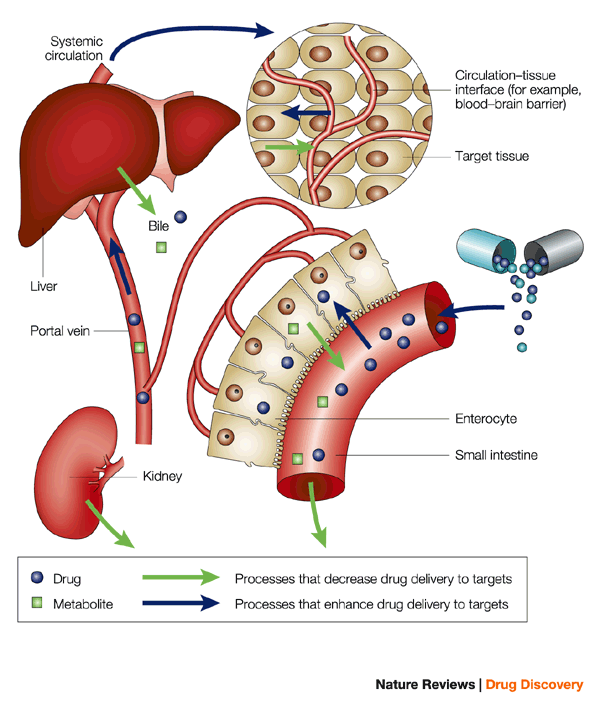
Pharmacogenomics studies how genetic variations influence drug response, enabling physicians to select the most effective medications with fewer side effects.
Examples in Cardiovascular Medicine
Clopidogrel metabolism testing to determine antiplatelet effectiveness
Warfarin dosing guided by genetic markers
Tailored beta-blocker therapy for heart failure patients
Predicting statin intolerance or effectiveness
Benefits
Reduced adverse drug reactions
Faster therapeutic response
Improved medication adherence
3. Biomarker-Driven Cardiovascular Care

Biomarkers are measurable biological indicators that help physicians detect and monitor cardiovascular diseases with greater precision.
Important Cardiac Biomarkers
High-Sensitivity Troponin: Early detection of myocardial infarction
BNP / NT-proBNP: Diagnosis and monitoring of heart failure
Inflammatory markers (CRP): Assess cardiovascular risk
Lipoprotein(a): Genetic cholesterol risk marker
Emerging Biomarkers
MicroRNA profiles
Proteomic biomarkers
Metabolomic signatures
These biomarkers enable earlier diagnosis, better risk stratification, and personalized treatment planning.
4. Digital Health & Wearable-Based Personal Monitoring4
Wearable devices and digital health platforms are becoming essential tools for personalized cardiovascular care.
Examples of Wearable Cardiac Technologies
Smartwatches capable of ECG monitoring
Continuous heart rate and rhythm tracking
Remote blood pressure monitoring devices
AI-enabled arrhythmia detection tools
Advantages
Continuous real-world health data
Early detection of atrial fibrillation
Remote patient monitoring
Improved chronic disease management
5. AI-Powered Personalized Risk Models
Artificial intelligence plays a critical role in integrating large datasets to create highly individualized cardiovascular risk predictions.
Data Sources Used
Electronic health records
Genetic information
Imaging data
Wearable device metrics
Lifestyle data
Future Direction
One emerging concept is the “Digital Twin Heart”, a virtual model of a patient’s cardiovascular system that allows physicians to simulate disease progression and test treatment strategies before applying them in real life.
Future Outlook
Precision cardiology is expected to redefine cardiovascular care in the coming decade. With advances in AI, genomics, wearable technology, and big data analytics, clinicians will increasingly move toward preventive, predictive, and personalized medicine.
In the future, cardiovascular treatment plans may be developed based on a patient’s genetic profile, real-time physiological data, and environmental factors, allowing healthcare providers to prevent heart disease before symptoms even appear.
To know more, visit: https://www.cardiology.scientexconference.com/sessions/Cardiovascular-Diseases


Comments
Post a Comment